all in one place.
Log what you watch. Rate your favorites. See what friends are into.
Network
Genres
Created by
Where to Watch
Links
Aired
Network
Genres

S02 E01 • Wednesday, Jan 8, 2020 • Jan 8 • 28m
Our focus today is Nozawana, a leaf vegetable indigenous to Japan. This one-meter-long vegetable is often pickled, as it spoils quickly. Nozawana was first grown in Japan in a village 600 meters above sea level. It has long provided snowed-in villages with a precious source of nutrition during harsh winters. Find out more about the vegetable that went from supporting mountain villages to being loved all around Japan.

S02 E02 • Wednesday, Jan 22, 2020 • Jan 22 • 28m
Today we focus on ginger. Often grated, finely chopped or even pickled, ginger is an indispensable ingredient in Japanese cuisine. The pink "gari" eaten with sushi is actually pickled ginger. The spice has become known for its health benefits in recent years, as it improves blood circulation and can even be used as a disinfectant. Let's find out more about the uses of ginger in Japan.
S02 E03 • Wednesday, Feb 12, 2020 • Feb 12 • 28m
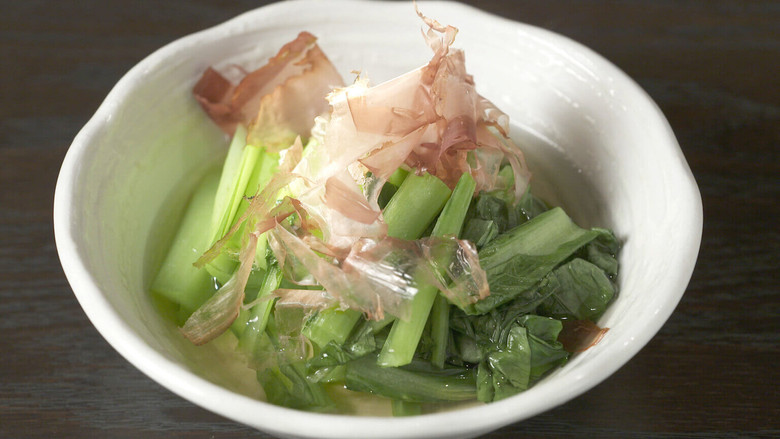
Komatsuna is a spinach-like leaf vegetable from Tokyo that's been grown in the ward of Edogawa, facing Tokyo Bay, for hundreds of years. Even today, Komatsuna is grown in residential areas in Tokyo. There are even vending machines selling freshly-harvested Komatsuna! This time, we dive deep into this special vegetable, sampling classic Japanese cuisine, sweets, noodles and other innovative dishes that feature its unique flavor.

S02 E04 • Wednesday, Feb 26, 2020 • Feb 26 • 28m
Today we focus on yellowtail, known as Buri in Japanese. Favored in winter when it contains a higher fat content, the fish provides rich umami when grilled, simmered or eaten raw as sushi or sashimi. In western Japan, Buri has long been thought to bring good fortune and is an essential part of the New Year tradition. Visit a Toyama Bay port that is one of the most popular for Buri fishing, and explore Japan's unique Buri culture.

S02 E05 • Wednesday, Mar 11, 2020 • Mar 11 • 28m
Shark meat has been eaten in Japan since ages past. It's often used in old-school Japanese soul foods such as Oden. We visit Aomori Prefecture, where shark is still eaten regularly, to discover traditional methods for catching and consuming shark, including a collagen-rich dish good for the skin and another excellent for overall health. Join us as we dive into the world of sharks in Japan!

S02 E06 • Wednesday, Apr 8, 2020 • Apr 8 • 28m
This episode focuses on bread, or "pan" in Japanese. The sheer variety of baked goods in Japan is astounding. Rolls and pastries filled or covered with teriyaki chicken, vegetables, or even stir-fried noodles act as a hearty meal. Bread can also replace rice for sushi, or act as a canvas to your imagination. Discover new ways to enjoy one of the world's oldest man-made foods.
S02 E07 • Wednesday, Apr 22, 2020 • Apr 22 • 28m
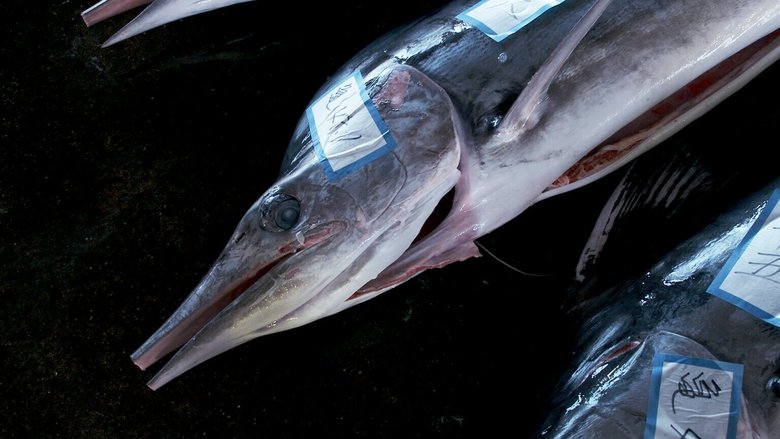
Our focus today is marlin. These large fish known for their long, sharp bills were once a source of inspiration for the great Ernest Hemingway. Marlin meat is high in fat content and has been the preferred ingredient for "edomae" sushi for centuries. Our reporter takes us marlin fishing and tastes meals commonly eaten by local fishermen. Try marlin "prosciutto" at an Italian restaurant! Dive in to discover the endless possibilities that marlin has to offer.

S02 E08 • Thursday, May 7, 2020 • May 7 • 28m
Our focus today is Shirauo, often called noodlefish in English. These beautiful fish have tiny, transparent bodies that grow up to only 10 centimeters long. They are both precious and pricey as the fish can only survive in brackish water conditions where freshwater meets seawater. Fishing for Shirauo symbolizes the coming of spring, their peak season. Visit a lake in the northern prefecture of Aomori to find out more about this mysterious fish.

S02 E09 • Thursday, May 14, 2020 • May 14 • 28m
Japanese strawberries are known for their large size and sweet flavor, and are mainly eaten fresh. We visit Tochigi Prefecture, Japan's largest production site, home to a farm popular with sightseers where you can eat strawberries to your heart's content! We also check out a unique strawberry research center where thousands of strawberries are carefully selected to create brand-new varieties. Plus, we discover some unique strawberry-themed Japanese sweets!

S02 E10 • Thursday, Sep 3, 2020 • Sep 3 • 28m
Kamaboko is a traditional type of fish cake made from pureed white fish that can be steamed, grilled or deep-fried. It's available in a variety of shapes, like red-and-white half circles and donut-like cylinders. One form, an alternative to crab meat called "surimi," is especially popular abroad. Packed with protein, it works well in practically any type of cooking. We visit the famous production area of Odawara and learn about the artistry that goes into its distinctive springy texture.

S02 E11 • Wednesday, Sep 23, 2020 • Sep 23 • 28m
"Sauce." In Japan, this word refers to a rich, dark, bottled sauce sold in a number of varieties. Used on deep-fried foods like pork cutlets and Japanese croquettes, plus savory okonomiyaki pancakes, yakisoba noodles and more, this viscous sauce is an essential part of Japanese comfort cooking. But what is sauce made of? Even many Japanese people don't know! This time, we explore a sauce so essential, it's simply known as "sauce"!

S02 E12 • Thursday, Oct 8, 2020 • Oct 8 • 28m
Honey—the world's oldest sweetener. Japan being home to both the Western honey bee and the native honey bee makes for numerous honey varieties. Concerned about the decline in global bee populations, urbanites take on rooftop beekeeping in Japan's capital. Also visit beekeeping sites responsible for precious honey varieties that are increasingly at risk. Fly around and discover infinite flavors born of differing environments and flower varieties.

S02 E13 • Thursday, Oct 15, 2020 • Oct 15 • 28m
Japanese pears are large, round, juicy and have a great crunch. Chiba Prefecture, which neighbors Tokyo, is known as Japan's largest pear producer. Every autumn, its so-called "Pear Street" fills up with farmers hawking their wares. Those farmers have thought up clever ways to make large, sweet pears, like growing branches across horizontal trellises that match the farmer's height. That lets the pears get plenty of sunlight and makes harvesting easier. Join us as we bite into Japan's world of pears!

S02 E14 • Thursday, Nov 5, 2020 • Nov 5 • 28m
Sato-imo, eaten in Japan for some 3,000 years, is a type of taro, a root vegetable that grows in the tropics of Asia. Coming into season in autumn, Sato-imo have been used in sacred rites and other traditional rituals since ages past, and deeply rooted in Japanese culture. We learn how their unique, sticky texture and al dente mouthfeel make them essential for Japanese cuisine. Join us as we take a bite into healthy, low-calorie Sato-imo.
S02 E15 • Thursday, Nov 12, 2020 • Nov 12 • 28m
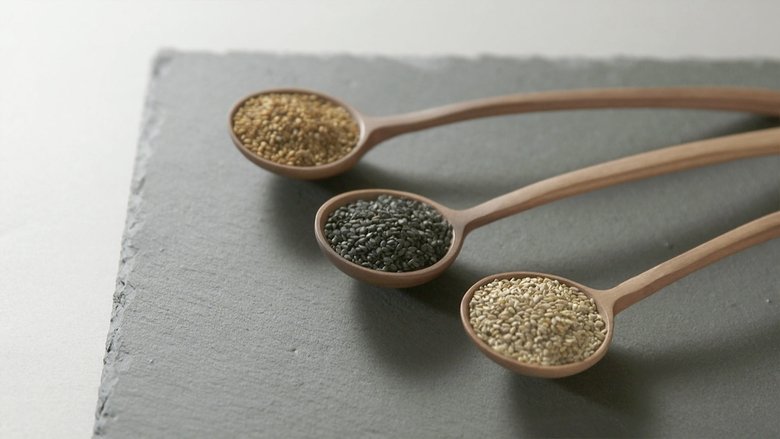
Our focus this time is sesame. It's an indispensable part of Japanese cuisine, making the country a leading consumer. Whether used as-is, roasted, ground, or processed into oil, the Japanese have developed numerous ways to enjoy the savory aroma and texture of sesame seeds. They're also a key ingredient in Shojin Ryori, or vegetarian meals prepared for Buddhist monks. Discover the large role that tiny sesame seeds play.
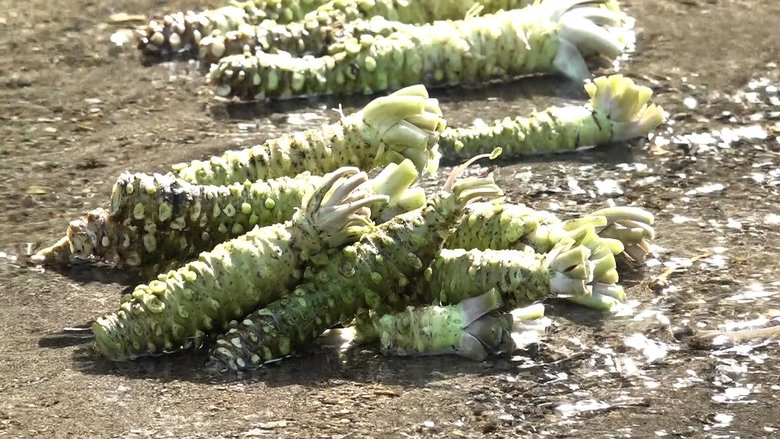
S02 E16 • Thursday, Dec 3, 2020 • Dec 3 • 28m
Our focus this time is wasabi, the fiery root that is a pillar of Japanese foods like sushi and sashimi. Visit a traditional wasabi field in Shizuoka Prefecture recognized as one of the world's Globally Important Agricultural Heritage Systems, try futuristic wasabi dishes, and find out why you most likely need a new wasabi grater!
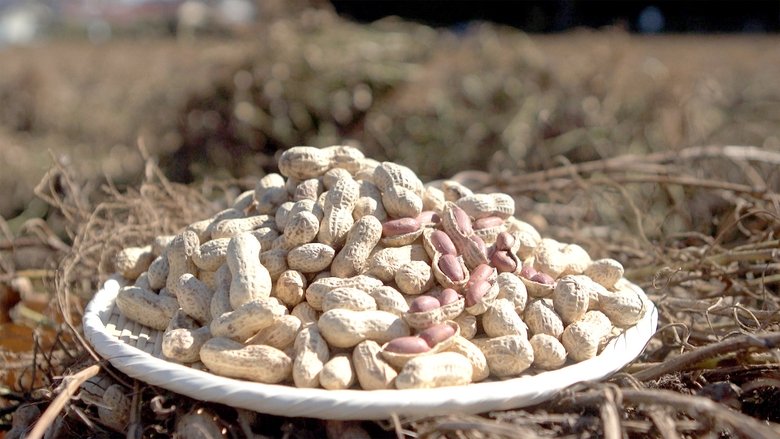
S02 E17 • Thursday, Dec 10, 2020 • Dec 10 • 28m
In Japan, peanuts are often eaten as-is, without flavoring or processing. That's because consumers want to taste the peanuts' own sweet, aromatic flavor. This time, we visit Japan's largest peanut production area, Chiba Prefecture, and learn about a traditional, machine-free drying method that gets the most sweetness out of the peanuts. We also sample a variety of local peanut dishes, meet scientists who spend some 15 years perfecting each new variety, and even try peanut ramen!

S02 E18 • Thursday, Dec 17, 2020 • Dec 17 • 28m
Some 200 varieties of Togarashi peppers are cultivated in Japan, most of which are dried and used as spices. We visited the largest production site to lend a hand in the fiery red fields and discovered special techniques for enhancing pungency and umami. "Super-spicy" foods ranging from snacks to full meals are a recent craze in Japan. Find out more as our reporter stands up to the challenge!

S02 E19 • Thursday, Dec 31, 2020 • Dec 31 • 28m
Our focus today is cutlassfish. This shiny samurai sword of the sea has no scales and swims vertically. Our reporter visits the fishing port that receives the largest haul, where 1,000 trailer trolleys and the family members of fishermen eagerly await to race the fish to market. Also, feast your eyes on savory tempura of minced cutlassfish meat containing its bones, curry featuring a 40-centimeter-long deep-fried cutlassfish, and a sushi bento that holds a unique place in Japanese history.
2020 • 19 Episodes
S02 E01 • Wednesday, Jan 8, 2020 • Jan 8 • 28m
Our focus today is Nozawana, a leaf vegetable indigenous to Japan. This one-meter-long vegetable is often pickled, as it spoils quickly. Nozawana was first grown in Japan in a village 600 meters above sea level. It has long provided snowed-in villages with a precious source of nutrition during harsh winters. Find out more about the vegetable that went from supporting mountain villages to being loved all around Japan.
S02 E02 • Wednesday, Jan 22, 2020 • Jan 22 • 28m
Today we focus on ginger. Often grated, finely chopped or even pickled, ginger is an indispensable ingredient in Japanese cuisine. The pink "gari" eaten with sushi is actually pickled ginger. The spice has become known for its health benefits in recent years, as it improves blood circulation and can even be used as a disinfectant. Let's find out more about the uses of ginger in Japan.
S02 E03 • Wednesday, Feb 12, 2020 • Feb 12 • 28m
Komatsuna is a spinach-like leaf vegetable from Tokyo that's been grown in the ward of Edogawa, facing Tokyo Bay, for hundreds of years. Even today, Komatsuna is grown in residential areas in Tokyo. There are even vending machines selling freshly-harvested Komatsuna! This time, we dive deep into this special vegetable, sampling classic Japanese cuisine, sweets, noodles and other innovative dishes that feature its unique flavor.
S02 E04 • Wednesday, Feb 26, 2020 • Feb 26 • 28m
Today we focus on yellowtail, known as Buri in Japanese. Favored in winter when it contains a higher fat content, the fish provides rich umami when grilled, simmered or eaten raw as sushi or sashimi. In western Japan, Buri has long been thought to bring good fortune and is an essential part of the New Year tradition. Visit a Toyama Bay port that is one of the most popular for Buri fishing, and explore Japan's unique Buri culture.
S02 E05 • Wednesday, Mar 11, 2020 • Mar 11 • 28m
Shark meat has been eaten in Japan since ages past. It's often used in old-school Japanese soul foods such as Oden. We visit Aomori Prefecture, where shark is still eaten regularly, to discover traditional methods for catching and consuming shark, including a collagen-rich dish good for the skin and another excellent for overall health. Join us as we dive into the world of sharks in Japan!
S02 E06 • Wednesday, Apr 8, 2020 • Apr 8 • 28m
This episode focuses on bread, or "pan" in Japanese. The sheer variety of baked goods in Japan is astounding. Rolls and pastries filled or covered with teriyaki chicken, vegetables, or even stir-fried noodles act as a hearty meal. Bread can also replace rice for sushi, or act as a canvas to your imagination. Discover new ways to enjoy one of the world's oldest man-made foods.
S02 E07 • Wednesday, Apr 22, 2020 • Apr 22 • 28m
Our focus today is marlin. These large fish known for their long, sharp bills were once a source of inspiration for the great Ernest Hemingway. Marlin meat is high in fat content and has been the preferred ingredient for "edomae" sushi for centuries. Our reporter takes us marlin fishing and tastes meals commonly eaten by local fishermen. Try marlin "prosciutto" at an Italian restaurant! Dive in to discover the endless possibilities that marlin has to offer.
S02 E08 • Thursday, May 7, 2020 • May 7 • 28m
Our focus today is Shirauo, often called noodlefish in English. These beautiful fish have tiny, transparent bodies that grow up to only 10 centimeters long. They are both precious and pricey as the fish can only survive in brackish water conditions where freshwater meets seawater. Fishing for Shirauo symbolizes the coming of spring, their peak season. Visit a lake in the northern prefecture of Aomori to find out more about this mysterious fish.
S02 E09 • Thursday, May 14, 2020 • May 14 • 28m
Japanese strawberries are known for their large size and sweet flavor, and are mainly eaten fresh. We visit Tochigi Prefecture, Japan's largest production site, home to a farm popular with sightseers where you can eat strawberries to your heart's content! We also check out a unique strawberry research center where thousands of strawberries are carefully selected to create brand-new varieties. Plus, we discover some unique strawberry-themed Japanese sweets!
S02 E10 • Thursday, Sep 3, 2020 • Sep 3 • 28m
Kamaboko is a traditional type of fish cake made from pureed white fish that can be steamed, grilled or deep-fried. It's available in a variety of shapes, like red-and-white half circles and donut-like cylinders. One form, an alternative to crab meat called "surimi," is especially popular abroad. Packed with protein, it works well in practically any type of cooking. We visit the famous production area of Odawara and learn about the artistry that goes into its distinctive springy texture.
S02 E11 • Wednesday, Sep 23, 2020 • Sep 23 • 28m
"Sauce." In Japan, this word refers to a rich, dark, bottled sauce sold in a number of varieties. Used on deep-fried foods like pork cutlets and Japanese croquettes, plus savory okonomiyaki pancakes, yakisoba noodles and more, this viscous sauce is an essential part of Japanese comfort cooking. But what is sauce made of? Even many Japanese people don't know! This time, we explore a sauce so essential, it's simply known as "sauce"!
S02 E12 • Thursday, Oct 8, 2020 • Oct 8 • 28m
Honey—the world's oldest sweetener. Japan being home to both the Western honey bee and the native honey bee makes for numerous honey varieties. Concerned about the decline in global bee populations, urbanites take on rooftop beekeeping in Japan's capital. Also visit beekeeping sites responsible for precious honey varieties that are increasingly at risk. Fly around and discover infinite flavors born of differing environments and flower varieties.
S02 E13 • Thursday, Oct 15, 2020 • Oct 15 • 28m
Japanese pears are large, round, juicy and have a great crunch. Chiba Prefecture, which neighbors Tokyo, is known as Japan's largest pear producer. Every autumn, its so-called "Pear Street" fills up with farmers hawking their wares. Those farmers have thought up clever ways to make large, sweet pears, like growing branches across horizontal trellises that match the farmer's height. That lets the pears get plenty of sunlight and makes harvesting easier. Join us as we bite into Japan's world of pears!
S02 E14 • Thursday, Nov 5, 2020 • Nov 5 • 28m
Sato-imo, eaten in Japan for some 3,000 years, is a type of taro, a root vegetable that grows in the tropics of Asia. Coming into season in autumn, Sato-imo have been used in sacred rites and other traditional rituals since ages past, and deeply rooted in Japanese culture. We learn how their unique, sticky texture and al dente mouthfeel make them essential for Japanese cuisine. Join us as we take a bite into healthy, low-calorie Sato-imo.
S02 E15 • Thursday, Nov 12, 2020 • Nov 12 • 28m
Our focus this time is sesame. It's an indispensable part of Japanese cuisine, making the country a leading consumer. Whether used as-is, roasted, ground, or processed into oil, the Japanese have developed numerous ways to enjoy the savory aroma and texture of sesame seeds. They're also a key ingredient in Shojin Ryori, or vegetarian meals prepared for Buddhist monks. Discover the large role that tiny sesame seeds play.
S02 E16 • Thursday, Dec 3, 2020 • Dec 3 • 28m
Our focus this time is wasabi, the fiery root that is a pillar of Japanese foods like sushi and sashimi. Visit a traditional wasabi field in Shizuoka Prefecture recognized as one of the world's Globally Important Agricultural Heritage Systems, try futuristic wasabi dishes, and find out why you most likely need a new wasabi grater!
S02 E17 • Thursday, Dec 10, 2020 • Dec 10 • 28m
In Japan, peanuts are often eaten as-is, without flavoring or processing. That's because consumers want to taste the peanuts' own sweet, aromatic flavor. This time, we visit Japan's largest peanut production area, Chiba Prefecture, and learn about a traditional, machine-free drying method that gets the most sweetness out of the peanuts. We also sample a variety of local peanut dishes, meet scientists who spend some 15 years perfecting each new variety, and even try peanut ramen!
S02 E18 • Thursday, Dec 17, 2020 • Dec 17 • 28m
Some 200 varieties of Togarashi peppers are cultivated in Japan, most of which are dried and used as spices. We visited the largest production site to lend a hand in the fiery red fields and discovered special techniques for enhancing pungency and umami. "Super-spicy" foods ranging from snacks to full meals are a recent craze in Japan. Find out more as our reporter stands up to the challenge!
S02 E19 • Thursday, Dec 31, 2020 • Dec 31 • 28m
Our focus today is cutlassfish. This shiny samurai sword of the sea has no scales and swims vertically. Our reporter visits the fishing port that receives the largest haul, where 1,000 trailer trolleys and the family members of fishermen eagerly await to race the fish to market. Also, feast your eyes on savory tempura of minced cutlassfish meat containing its bones, curry featuring a 40-centimeter-long deep-fried cutlassfish, and a sushi bento that holds a unique place in Japanese history.
Aired
Jan 8, 2020 - Dec 31, 2020
Network
NHK WORLD-JAPANGenres
S02 E01 • Wednesday, Jan 8, 2020 • Jan 8 • 28m
Our focus today is Nozawana, a leaf vegetable indigenous to Japan. This one-meter-long vegetable is often pickled, as it spoils quickly. Nozawana was first grown in Japan in a village 600 meters above sea level. It has long provided snowed-in villages with a precious source of nutrition during harsh winters. Find out more about the vegetable that went from supporting mountain villages to being loved all around Japan.
S02 E02 • Wednesday, Jan 22, 2020 • Jan 22 • 28m
Today we focus on ginger. Often grated, finely chopped or even pickled, ginger is an indispensable ingredient in Japanese cuisine. The pink "gari" eaten with sushi is actually pickled ginger. The spice has become known for its health benefits in recent years, as it improves blood circulation and can even be used as a disinfectant. Let's find out more about the uses of ginger in Japan.
S02 E03 • Wednesday, Feb 12, 2020 • Feb 12 • 28m
Komatsuna is a spinach-like leaf vegetable from Tokyo that's been grown in the ward of Edogawa, facing Tokyo Bay, for hundreds of years. Even today, Komatsuna is grown in residential areas in Tokyo. There are even vending machines selling freshly-harvested Komatsuna! This time, we dive deep into this special vegetable, sampling classic Japanese cuisine, sweets, noodles and other innovative dishes that feature its unique flavor.
S02 E04 • Wednesday, Feb 26, 2020 • Feb 26 • 28m
Today we focus on yellowtail, known as Buri in Japanese. Favored in winter when it contains a higher fat content, the fish provides rich umami when grilled, simmered or eaten raw as sushi or sashimi. In western Japan, Buri has long been thought to bring good fortune and is an essential part of the New Year tradition. Visit a Toyama Bay port that is one of the most popular for Buri fishing, and explore Japan's unique Buri culture.
S02 E05 • Wednesday, Mar 11, 2020 • Mar 11 • 28m
Shark meat has been eaten in Japan since ages past. It's often used in old-school Japanese soul foods such as Oden. We visit Aomori Prefecture, where shark is still eaten regularly, to discover traditional methods for catching and consuming shark, including a collagen-rich dish good for the skin and another excellent for overall health. Join us as we dive into the world of sharks in Japan!
S02 E06 • Wednesday, Apr 8, 2020 • Apr 8 • 28m
This episode focuses on bread, or "pan" in Japanese. The sheer variety of baked goods in Japan is astounding. Rolls and pastries filled or covered with teriyaki chicken, vegetables, or even stir-fried noodles act as a hearty meal. Bread can also replace rice for sushi, or act as a canvas to your imagination. Discover new ways to enjoy one of the world's oldest man-made foods.
S02 E07 • Wednesday, Apr 22, 2020 • Apr 22 • 28m
Our focus today is marlin. These large fish known for their long, sharp bills were once a source of inspiration for the great Ernest Hemingway. Marlin meat is high in fat content and has been the preferred ingredient for "edomae" sushi for centuries. Our reporter takes us marlin fishing and tastes meals commonly eaten by local fishermen. Try marlin "prosciutto" at an Italian restaurant! Dive in to discover the endless possibilities that marlin has to offer.
S02 E08 • Thursday, May 7, 2020 • May 7 • 28m
Our focus today is Shirauo, often called noodlefish in English. These beautiful fish have tiny, transparent bodies that grow up to only 10 centimeters long. They are both precious and pricey as the fish can only survive in brackish water conditions where freshwater meets seawater. Fishing for Shirauo symbolizes the coming of spring, their peak season. Visit a lake in the northern prefecture of Aomori to find out more about this mysterious fish.
S02 E09 • Thursday, May 14, 2020 • May 14 • 28m
Japanese strawberries are known for their large size and sweet flavor, and are mainly eaten fresh. We visit Tochigi Prefecture, Japan's largest production site, home to a farm popular with sightseers where you can eat strawberries to your heart's content! We also check out a unique strawberry research center where thousands of strawberries are carefully selected to create brand-new varieties. Plus, we discover some unique strawberry-themed Japanese sweets!
S02 E10 • Thursday, Sep 3, 2020 • Sep 3 • 28m
Kamaboko is a traditional type of fish cake made from pureed white fish that can be steamed, grilled or deep-fried. It's available in a variety of shapes, like red-and-white half circles and donut-like cylinders. One form, an alternative to crab meat called "surimi," is especially popular abroad. Packed with protein, it works well in practically any type of cooking. We visit the famous production area of Odawara and learn about the artistry that goes into its distinctive springy texture.
S02 E11 • Wednesday, Sep 23, 2020 • Sep 23 • 28m
"Sauce." In Japan, this word refers to a rich, dark, bottled sauce sold in a number of varieties. Used on deep-fried foods like pork cutlets and Japanese croquettes, plus savory okonomiyaki pancakes, yakisoba noodles and more, this viscous sauce is an essential part of Japanese comfort cooking. But what is sauce made of? Even many Japanese people don't know! This time, we explore a sauce so essential, it's simply known as "sauce"!
S02 E12 • Thursday, Oct 8, 2020 • Oct 8 • 28m
Honey—the world's oldest sweetener. Japan being home to both the Western honey bee and the native honey bee makes for numerous honey varieties. Concerned about the decline in global bee populations, urbanites take on rooftop beekeeping in Japan's capital. Also visit beekeeping sites responsible for precious honey varieties that are increasingly at risk. Fly around and discover infinite flavors born of differing environments and flower varieties.
S02 E13 • Thursday, Oct 15, 2020 • Oct 15 • 28m
Japanese pears are large, round, juicy and have a great crunch. Chiba Prefecture, which neighbors Tokyo, is known as Japan's largest pear producer. Every autumn, its so-called "Pear Street" fills up with farmers hawking their wares. Those farmers have thought up clever ways to make large, sweet pears, like growing branches across horizontal trellises that match the farmer's height. That lets the pears get plenty of sunlight and makes harvesting easier. Join us as we bite into Japan's world of pears!
S02 E14 • Thursday, Nov 5, 2020 • Nov 5 • 28m
Sato-imo, eaten in Japan for some 3,000 years, is a type of taro, a root vegetable that grows in the tropics of Asia. Coming into season in autumn, Sato-imo have been used in sacred rites and other traditional rituals since ages past, and deeply rooted in Japanese culture. We learn how their unique, sticky texture and al dente mouthfeel make them essential for Japanese cuisine. Join us as we take a bite into healthy, low-calorie Sato-imo.
S02 E15 • Thursday, Nov 12, 2020 • Nov 12 • 28m
Our focus this time is sesame. It's an indispensable part of Japanese cuisine, making the country a leading consumer. Whether used as-is, roasted, ground, or processed into oil, the Japanese have developed numerous ways to enjoy the savory aroma and texture of sesame seeds. They're also a key ingredient in Shojin Ryori, or vegetarian meals prepared for Buddhist monks. Discover the large role that tiny sesame seeds play.
S02 E16 • Thursday, Dec 3, 2020 • Dec 3 • 28m
Our focus this time is wasabi, the fiery root that is a pillar of Japanese foods like sushi and sashimi. Visit a traditional wasabi field in Shizuoka Prefecture recognized as one of the world's Globally Important Agricultural Heritage Systems, try futuristic wasabi dishes, and find out why you most likely need a new wasabi grater!
S02 E17 • Thursday, Dec 10, 2020 • Dec 10 • 28m
In Japan, peanuts are often eaten as-is, without flavoring or processing. That's because consumers want to taste the peanuts' own sweet, aromatic flavor. This time, we visit Japan's largest peanut production area, Chiba Prefecture, and learn about a traditional, machine-free drying method that gets the most sweetness out of the peanuts. We also sample a variety of local peanut dishes, meet scientists who spend some 15 years perfecting each new variety, and even try peanut ramen!
S02 E18 • Thursday, Dec 17, 2020 • Dec 17 • 28m
Some 200 varieties of Togarashi peppers are cultivated in Japan, most of which are dried and used as spices. We visited the largest production site to lend a hand in the fiery red fields and discovered special techniques for enhancing pungency and umami. "Super-spicy" foods ranging from snacks to full meals are a recent craze in Japan. Find out more as our reporter stands up to the challenge!
S02 E19 • Thursday, Dec 31, 2020 • Dec 31 • 28m
Our focus today is cutlassfish. This shiny samurai sword of the sea has no scales and swims vertically. Our reporter visits the fishing port that receives the largest haul, where 1,000 trailer trolleys and the family members of fishermen eagerly await to race the fish to market. Also, feast your eyes on savory tempura of minced cutlassfish meat containing its bones, curry featuring a 40-centimeter-long deep-fried cutlassfish, and a sushi bento that holds a unique place in Japanese history.
2020 • 19 Episodes
S02 E01 • Wednesday, Jan 8, 2020 • Jan 8 • 28m
Our focus today is Nozawana, a leaf vegetable indigenous to Japan. This one-meter-long vegetable is often pickled, as it spoils quickly. Nozawana was first grown in Japan in a village 600 meters above sea level. It has long provided snowed-in villages with a precious source of nutrition during harsh winters. Find out more about the vegetable that went from supporting mountain villages to being loved all around Japan.
S02 E02 • Wednesday, Jan 22, 2020 • Jan 22 • 28m
Today we focus on ginger. Often grated, finely chopped or even pickled, ginger is an indispensable ingredient in Japanese cuisine. The pink "gari" eaten with sushi is actually pickled ginger. The spice has become known for its health benefits in recent years, as it improves blood circulation and can even be used as a disinfectant. Let's find out more about the uses of ginger in Japan.
S02 E03 • Wednesday, Feb 12, 2020 • Feb 12 • 28m
Komatsuna is a spinach-like leaf vegetable from Tokyo that's been grown in the ward of Edogawa, facing Tokyo Bay, for hundreds of years. Even today, Komatsuna is grown in residential areas in Tokyo. There are even vending machines selling freshly-harvested Komatsuna! This time, we dive deep into this special vegetable, sampling classic Japanese cuisine, sweets, noodles and other innovative dishes that feature its unique flavor.
S02 E04 • Wednesday, Feb 26, 2020 • Feb 26 • 28m
Today we focus on yellowtail, known as Buri in Japanese. Favored in winter when it contains a higher fat content, the fish provides rich umami when grilled, simmered or eaten raw as sushi or sashimi. In western Japan, Buri has long been thought to bring good fortune and is an essential part of the New Year tradition. Visit a Toyama Bay port that is one of the most popular for Buri fishing, and explore Japan's unique Buri culture.
S02 E05 • Wednesday, Mar 11, 2020 • Mar 11 • 28m
Shark meat has been eaten in Japan since ages past. It's often used in old-school Japanese soul foods such as Oden. We visit Aomori Prefecture, where shark is still eaten regularly, to discover traditional methods for catching and consuming shark, including a collagen-rich dish good for the skin and another excellent for overall health. Join us as we dive into the world of sharks in Japan!
S02 E06 • Wednesday, Apr 8, 2020 • Apr 8 • 28m
This episode focuses on bread, or "pan" in Japanese. The sheer variety of baked goods in Japan is astounding. Rolls and pastries filled or covered with teriyaki chicken, vegetables, or even stir-fried noodles act as a hearty meal. Bread can also replace rice for sushi, or act as a canvas to your imagination. Discover new ways to enjoy one of the world's oldest man-made foods.
S02 E07 • Wednesday, Apr 22, 2020 • Apr 22 • 28m
Our focus today is marlin. These large fish known for their long, sharp bills were once a source of inspiration for the great Ernest Hemingway. Marlin meat is high in fat content and has been the preferred ingredient for "edomae" sushi for centuries. Our reporter takes us marlin fishing and tastes meals commonly eaten by local fishermen. Try marlin "prosciutto" at an Italian restaurant! Dive in to discover the endless possibilities that marlin has to offer.
S02 E08 • Thursday, May 7, 2020 • May 7 • 28m
Our focus today is Shirauo, often called noodlefish in English. These beautiful fish have tiny, transparent bodies that grow up to only 10 centimeters long. They are both precious and pricey as the fish can only survive in brackish water conditions where freshwater meets seawater. Fishing for Shirauo symbolizes the coming of spring, their peak season. Visit a lake in the northern prefecture of Aomori to find out more about this mysterious fish.
S02 E09 • Thursday, May 14, 2020 • May 14 • 28m
Japanese strawberries are known for their large size and sweet flavor, and are mainly eaten fresh. We visit Tochigi Prefecture, Japan's largest production site, home to a farm popular with sightseers where you can eat strawberries to your heart's content! We also check out a unique strawberry research center where thousands of strawberries are carefully selected to create brand-new varieties. Plus, we discover some unique strawberry-themed Japanese sweets!
S02 E10 • Thursday, Sep 3, 2020 • Sep 3 • 28m
Kamaboko is a traditional type of fish cake made from pureed white fish that can be steamed, grilled or deep-fried. It's available in a variety of shapes, like red-and-white half circles and donut-like cylinders. One form, an alternative to crab meat called "surimi," is especially popular abroad. Packed with protein, it works well in practically any type of cooking. We visit the famous production area of Odawara and learn about the artistry that goes into its distinctive springy texture.
S02 E11 • Wednesday, Sep 23, 2020 • Sep 23 • 28m
"Sauce." In Japan, this word refers to a rich, dark, bottled sauce sold in a number of varieties. Used on deep-fried foods like pork cutlets and Japanese croquettes, plus savory okonomiyaki pancakes, yakisoba noodles and more, this viscous sauce is an essential part of Japanese comfort cooking. But what is sauce made of? Even many Japanese people don't know! This time, we explore a sauce so essential, it's simply known as "sauce"!
S02 E12 • Thursday, Oct 8, 2020 • Oct 8 • 28m
Honey—the world's oldest sweetener. Japan being home to both the Western honey bee and the native honey bee makes for numerous honey varieties. Concerned about the decline in global bee populations, urbanites take on rooftop beekeeping in Japan's capital. Also visit beekeeping sites responsible for precious honey varieties that are increasingly at risk. Fly around and discover infinite flavors born of differing environments and flower varieties.
S02 E13 • Thursday, Oct 15, 2020 • Oct 15 • 28m
Japanese pears are large, round, juicy and have a great crunch. Chiba Prefecture, which neighbors Tokyo, is known as Japan's largest pear producer. Every autumn, its so-called "Pear Street" fills up with farmers hawking their wares. Those farmers have thought up clever ways to make large, sweet pears, like growing branches across horizontal trellises that match the farmer's height. That lets the pears get plenty of sunlight and makes harvesting easier. Join us as we bite into Japan's world of pears!
S02 E14 • Thursday, Nov 5, 2020 • Nov 5 • 28m
Sato-imo, eaten in Japan for some 3,000 years, is a type of taro, a root vegetable that grows in the tropics of Asia. Coming into season in autumn, Sato-imo have been used in sacred rites and other traditional rituals since ages past, and deeply rooted in Japanese culture. We learn how their unique, sticky texture and al dente mouthfeel make them essential for Japanese cuisine. Join us as we take a bite into healthy, low-calorie Sato-imo.
S02 E15 • Thursday, Nov 12, 2020 • Nov 12 • 28m
Our focus this time is sesame. It's an indispensable part of Japanese cuisine, making the country a leading consumer. Whether used as-is, roasted, ground, or processed into oil, the Japanese have developed numerous ways to enjoy the savory aroma and texture of sesame seeds. They're also a key ingredient in Shojin Ryori, or vegetarian meals prepared for Buddhist monks. Discover the large role that tiny sesame seeds play.
S02 E16 • Thursday, Dec 3, 2020 • Dec 3 • 28m
Our focus this time is wasabi, the fiery root that is a pillar of Japanese foods like sushi and sashimi. Visit a traditional wasabi field in Shizuoka Prefecture recognized as one of the world's Globally Important Agricultural Heritage Systems, try futuristic wasabi dishes, and find out why you most likely need a new wasabi grater!
S02 E17 • Thursday, Dec 10, 2020 • Dec 10 • 28m
In Japan, peanuts are often eaten as-is, without flavoring or processing. That's because consumers want to taste the peanuts' own sweet, aromatic flavor. This time, we visit Japan's largest peanut production area, Chiba Prefecture, and learn about a traditional, machine-free drying method that gets the most sweetness out of the peanuts. We also sample a variety of local peanut dishes, meet scientists who spend some 15 years perfecting each new variety, and even try peanut ramen!
S02 E18 • Thursday, Dec 17, 2020 • Dec 17 • 28m
Some 200 varieties of Togarashi peppers are cultivated in Japan, most of which are dried and used as spices. We visited the largest production site to lend a hand in the fiery red fields and discovered special techniques for enhancing pungency and umami. "Super-spicy" foods ranging from snacks to full meals are a recent craze in Japan. Find out more as our reporter stands up to the challenge!
S02 E19 • Thursday, Dec 31, 2020 • Dec 31 • 28m
Our focus today is cutlassfish. This shiny samurai sword of the sea has no scales and swims vertically. Our reporter visits the fishing port that receives the largest haul, where 1,000 trailer trolleys and the family members of fishermen eagerly await to race the fish to market. Also, feast your eyes on savory tempura of minced cutlassfish meat containing its bones, curry featuring a 40-centimeter-long deep-fried cutlassfish, and a sushi bento that holds a unique place in Japanese history.